Description
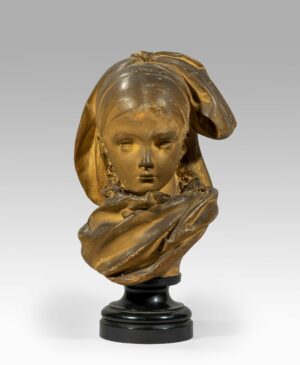
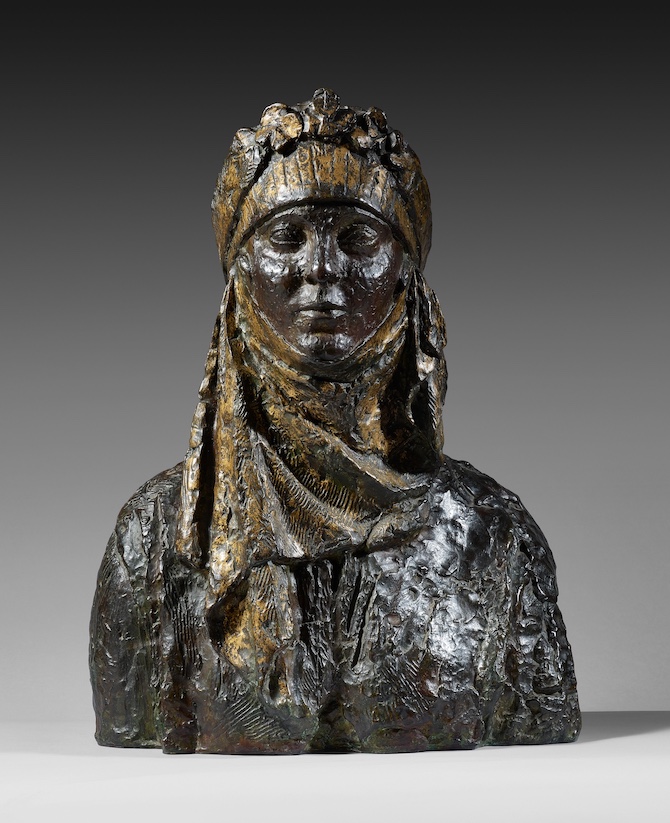
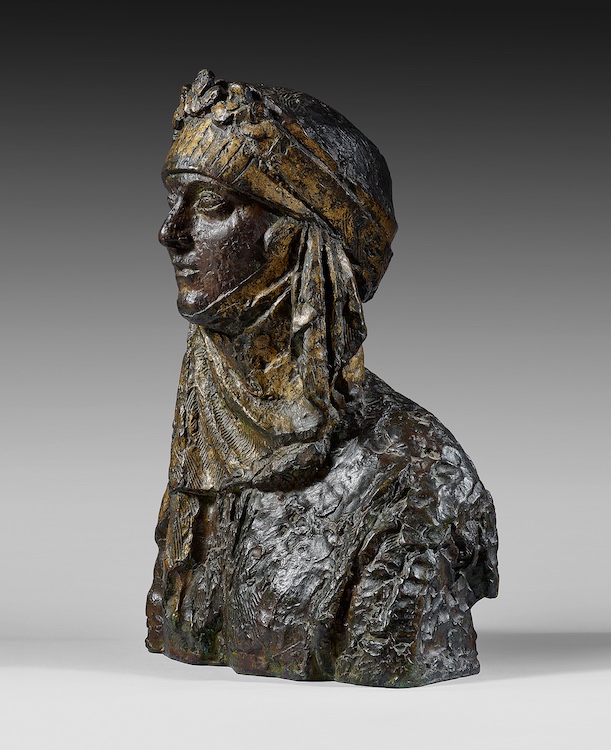
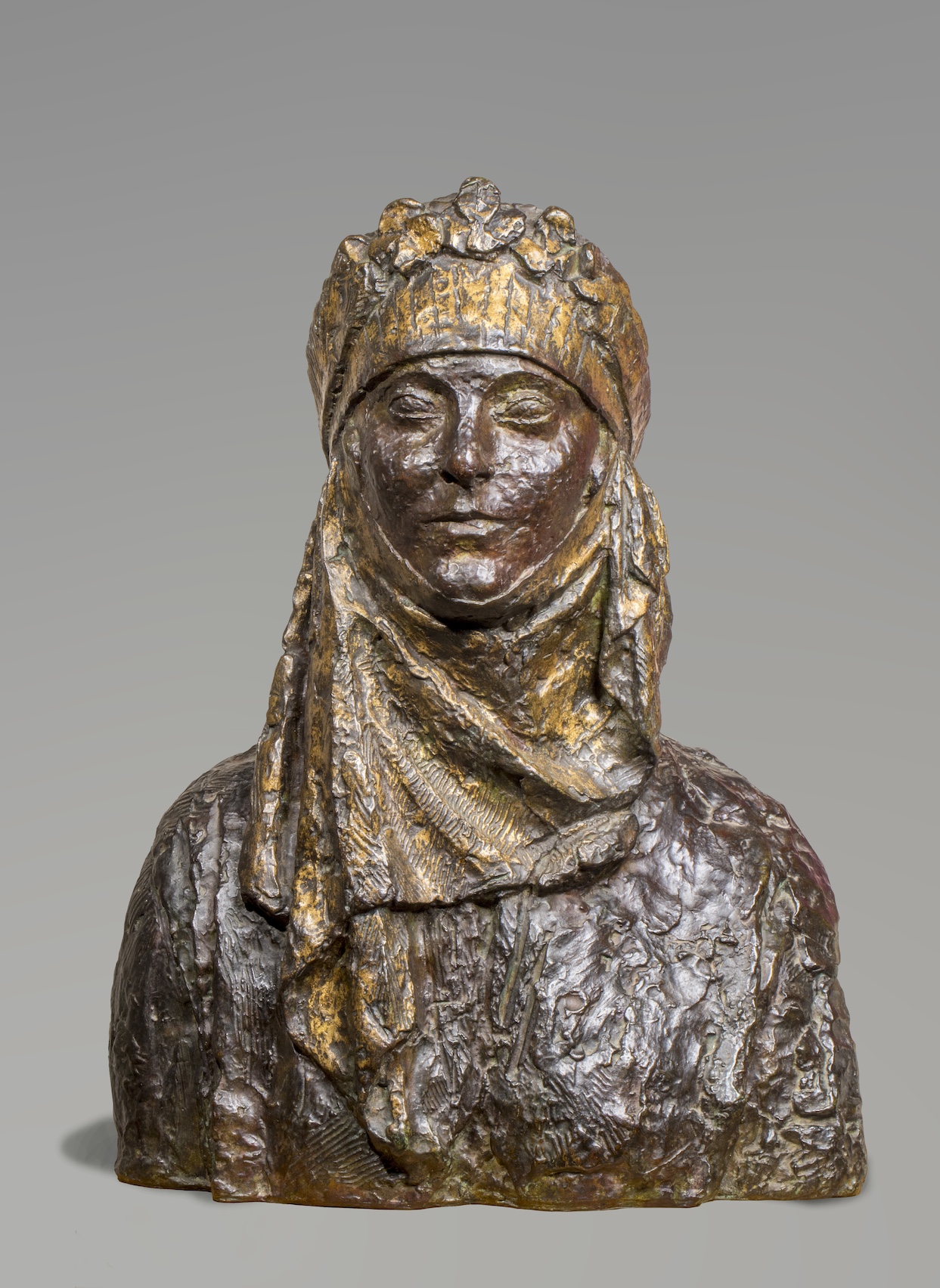
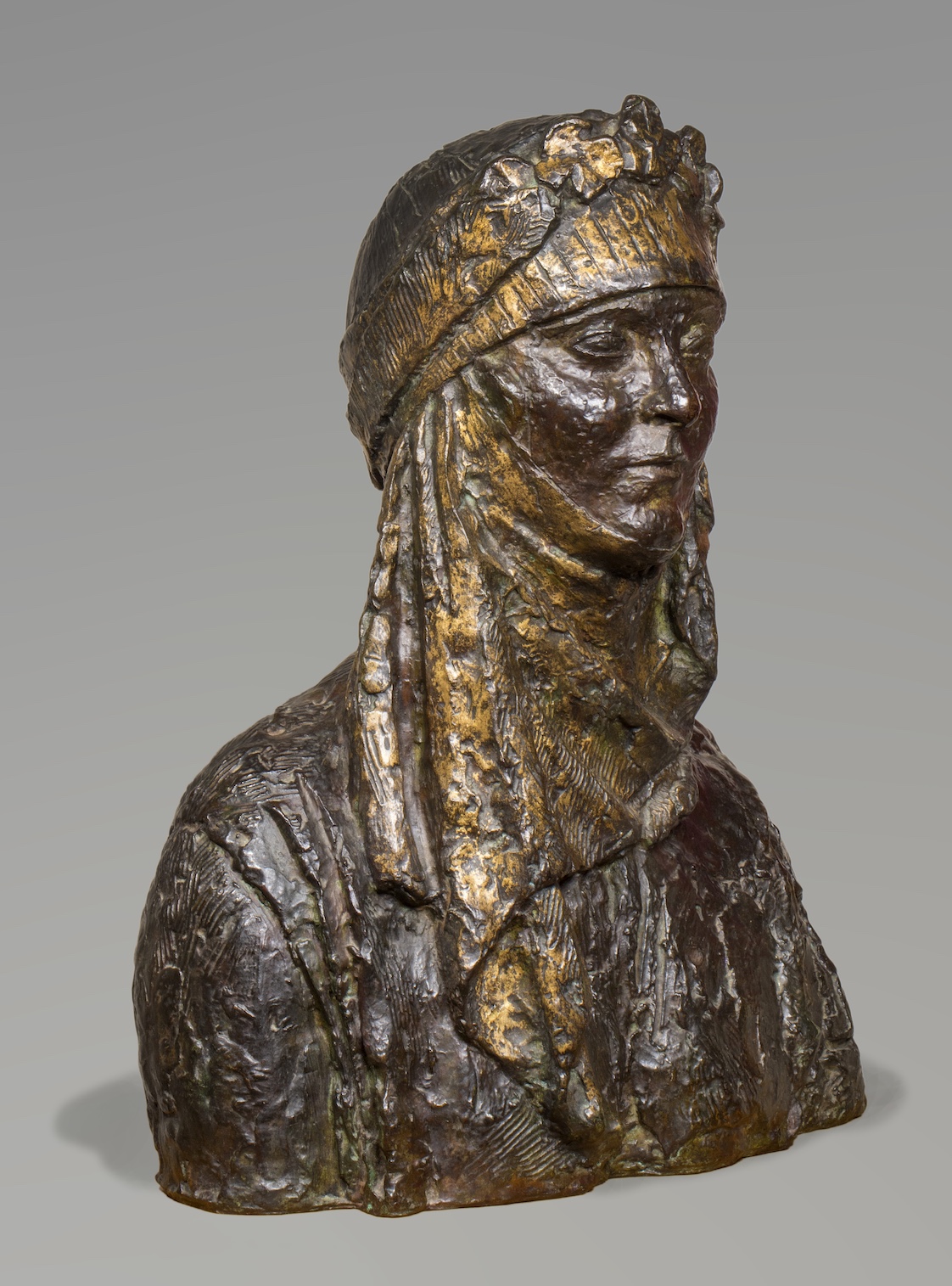
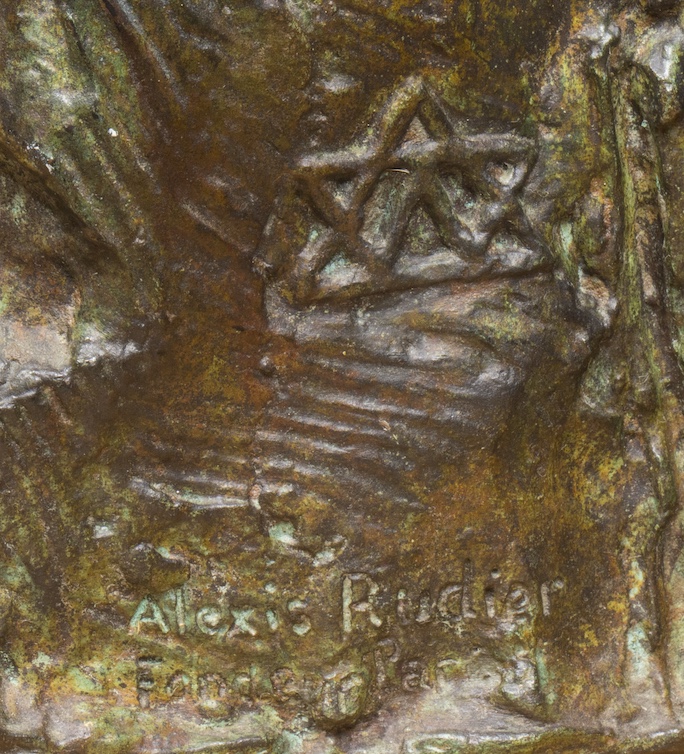
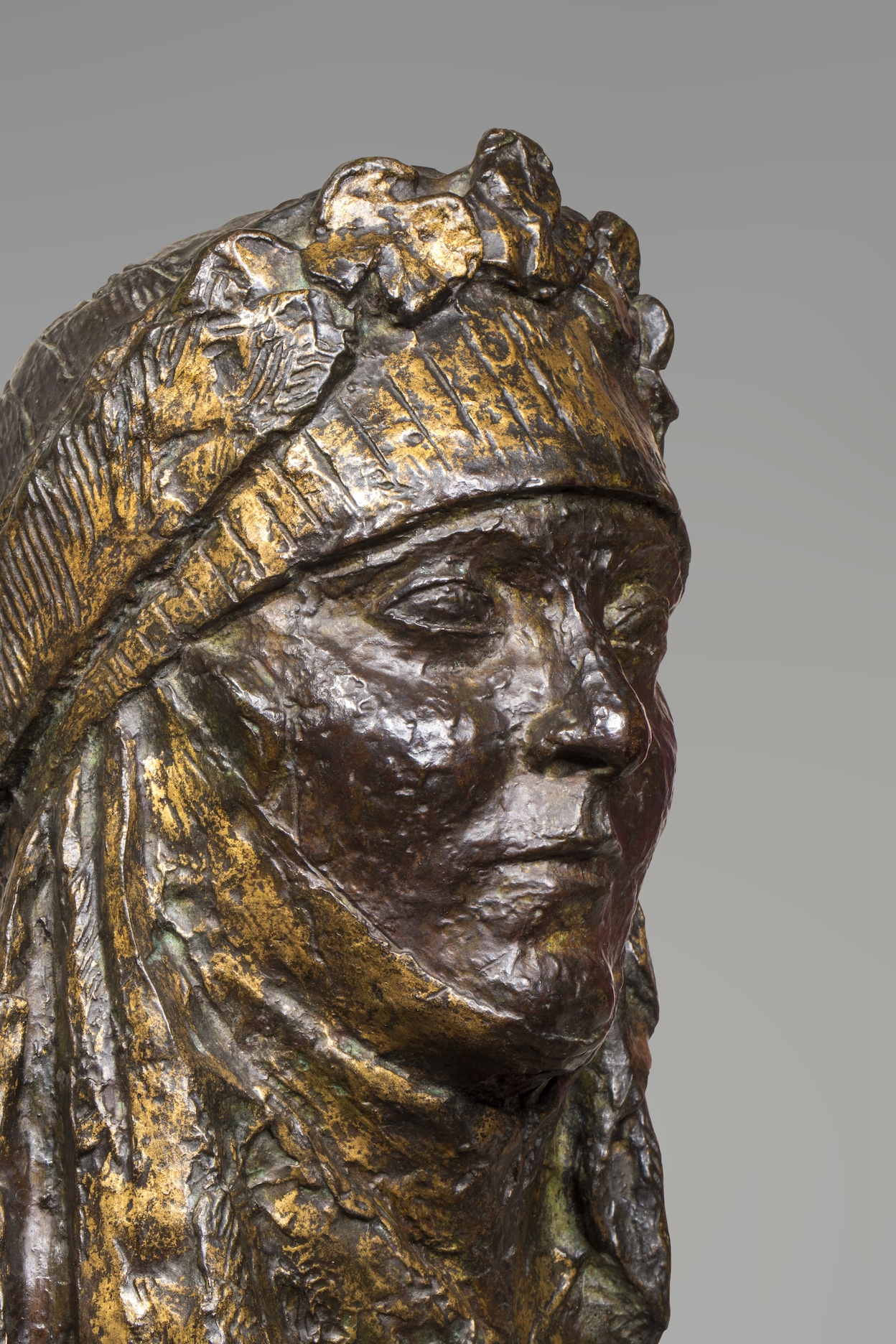
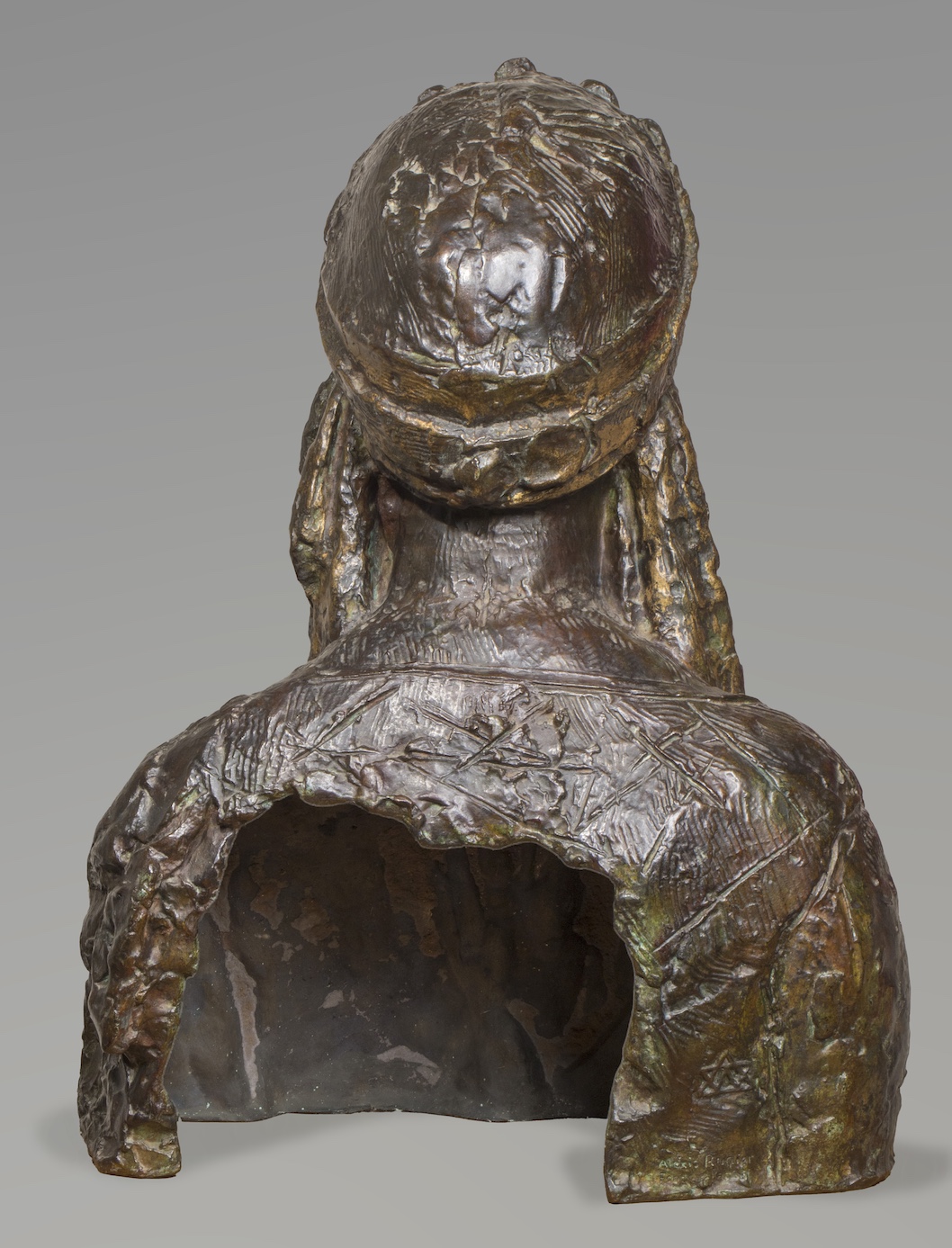
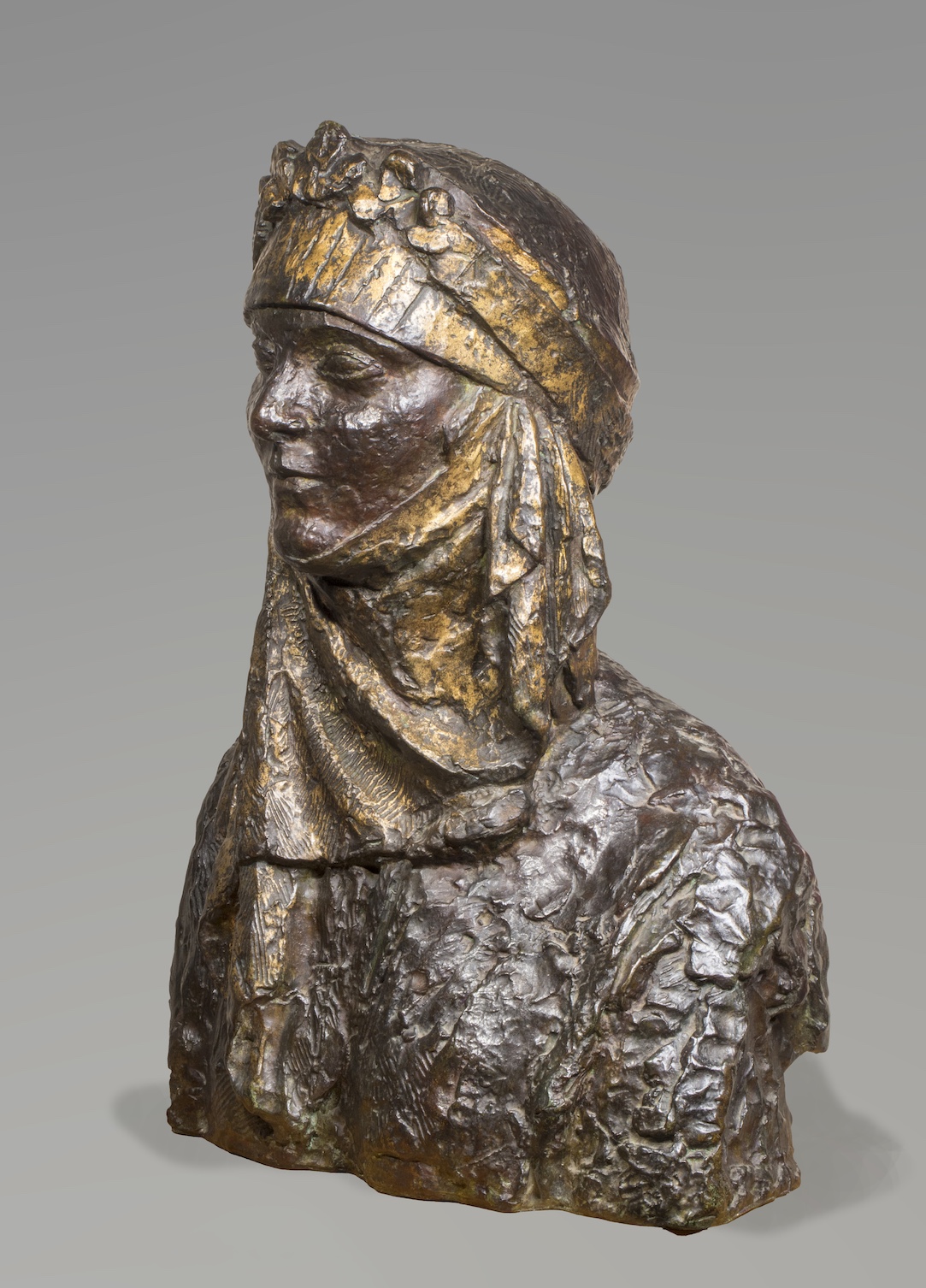
Bourdelle began his research for The Queen of Sheba during a stay in Marseille in July 1918. A sketchbook entitled The Queen of Sheba / Small Frescoes, now in the Bourdelle Museum, bears witness to his initial essays, sketched with quick strokes in ink, around a theme that was new to him. He then created the watercolor illustrations for the deluxe edition of The Queen of Sheba, based on the text and translation by Joseph-Charles Mardrus (1868-1949), published in 1922. Not seeking a faithful translation of the story, Bourdelle offered an original adaptation, transposing it into a dreamlike and deeply personal world. These illustrations allowed Bourdelle to continue his research in sculpture. A dialogue was then established between his drawings and his sculpted work: on this subject, Marquis-Sébie wrote that he “passes with ease, with infinite flexibility, from one field of activity to another field of action or thought.”It was in this manner that he created the sculpture of Madame Lion as the Queen of Sheba in 1925. Suzanne Lion (1900-1984), a theater critic and fashion journalist, was a friend of Anatole France, through whom she met Bourdelle. The sculptor drew inspiration from her graceful face and hairstyle, creating two versions of her likeness: a bust (57 cm) and a mask (24.1 cm). About her, Rhodia Dufet-Bourdelle remarked, “It is amusing to know that her elegant hairstyle is very precisely inspired by the actual small, draped blue hat with florets, quite fashionable at the time (and even today), because Suzanne Lion was an elegant woman.”In reference to this bust, she also commented that “all of my father’s art is inscribed within it. At once imbued with a subtle and sensitive life, yet solidly structured from within, this work possesses the majesty of a cathedral figure, so manifest are its condensed forms and sense of architectural balance.” Indeed, one is immediately struck by the superb presence of the figure, regal in bearing, set in bronze, whose gilded polychromy alone evokes the splendors of the Orient.
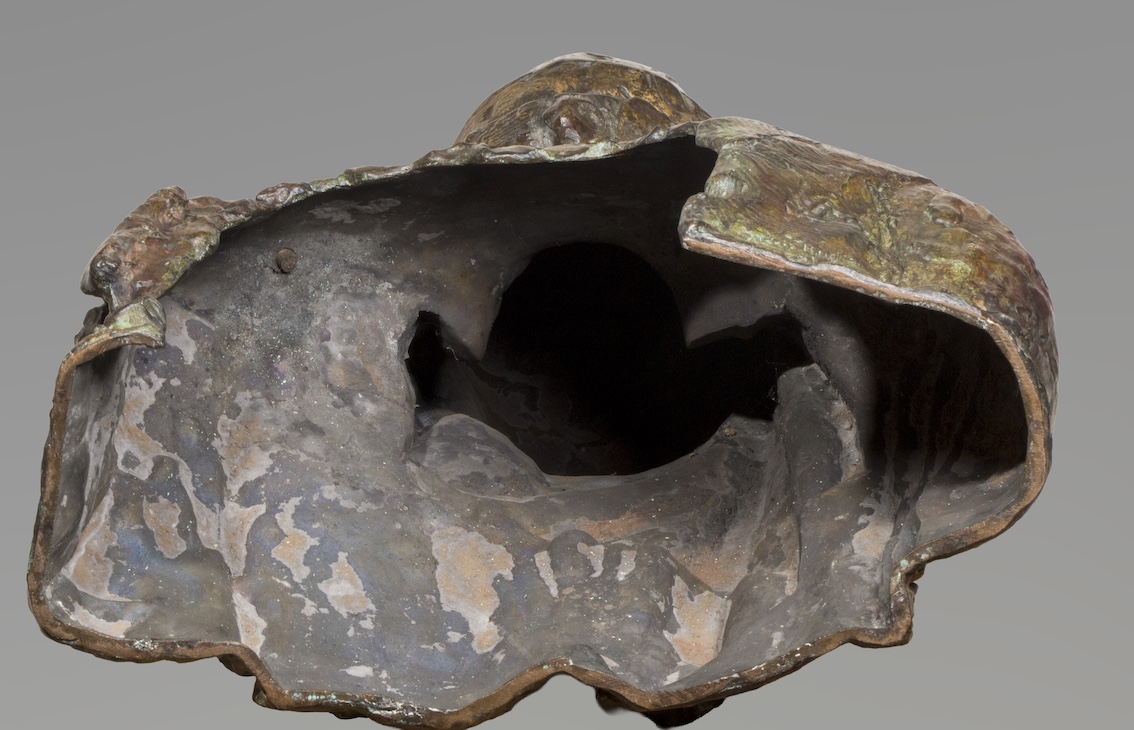
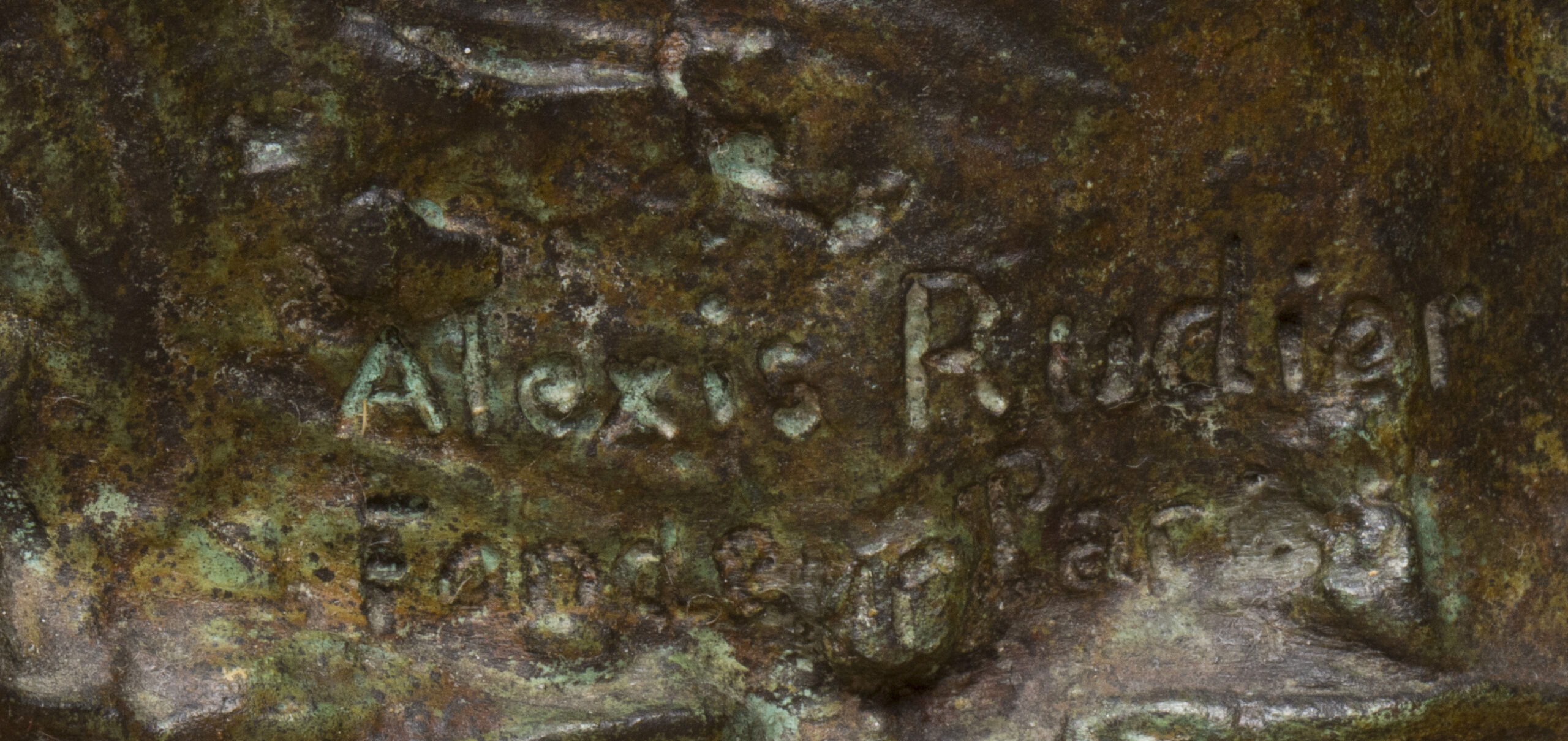
Our example comes from the prestigious collection of Raymond Subes, the celebrated ironworker, undoubtedly one of the greatest innovators of wrought iron art in the 20th century and also an exceptional collector. From the 1930s onwards, he amassed first-rate works by his contemporaries and often friends, including Émile-Antoine Bourdelle, Paul Belmondo, Paul Jouve and Jean Besnard. Our example is a witness to this, an exceptional cast of a key work in Bourdelle’s career, of which the catalogue raisonné mentions only three bronze casts and one plaster cast (Collection of Madame Lion), and of which ours is the only known bronze with a double patina.