Description
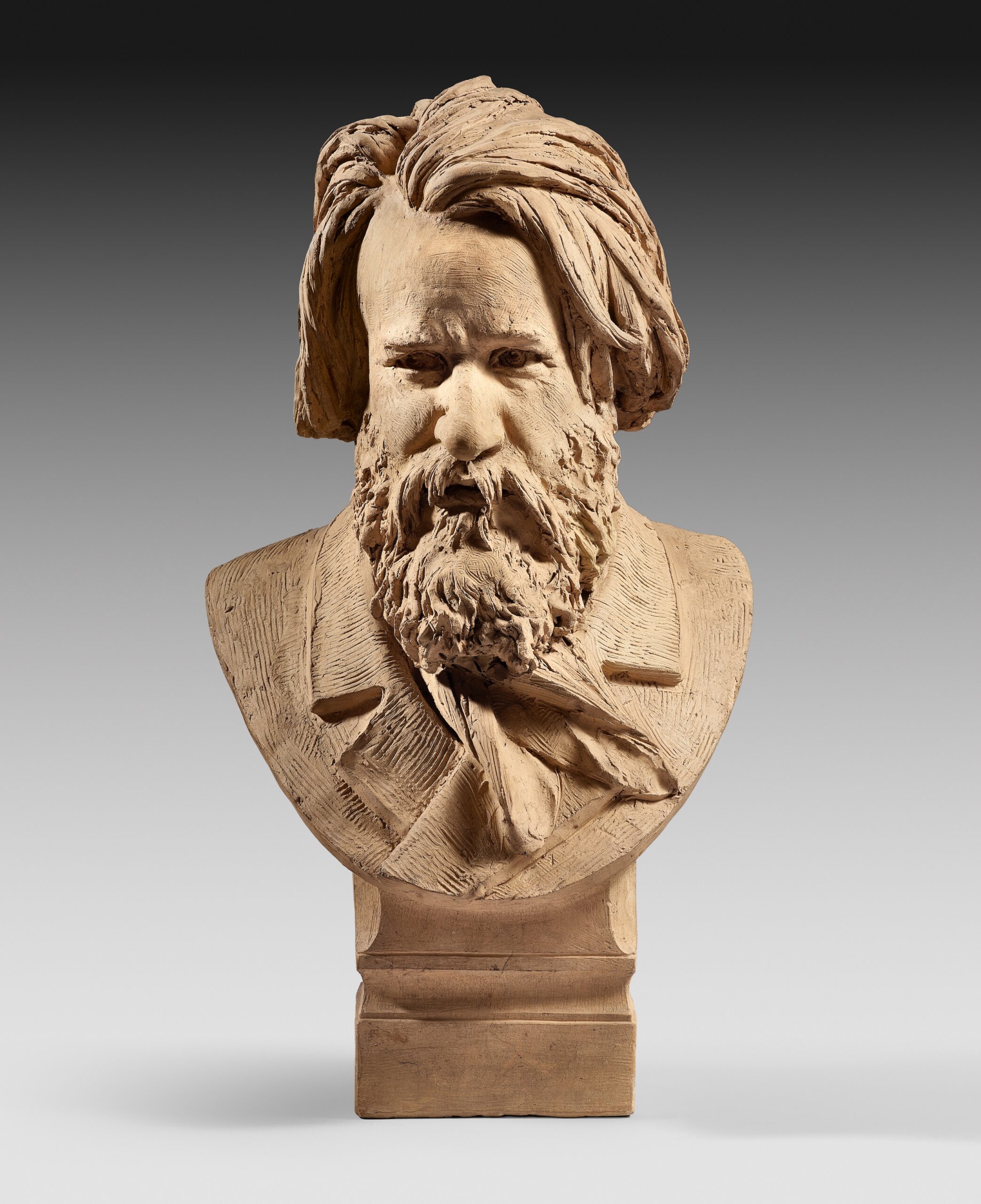
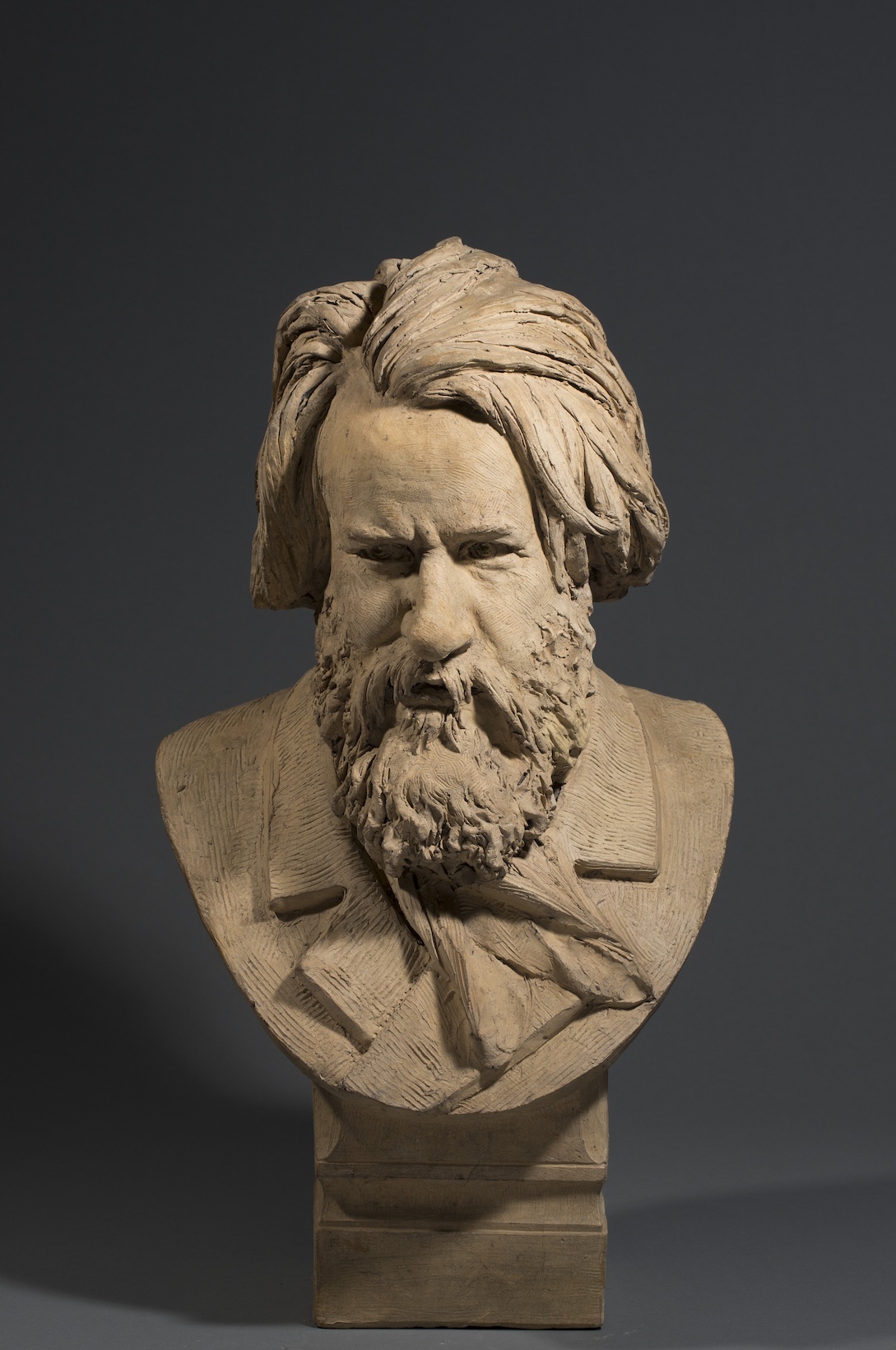
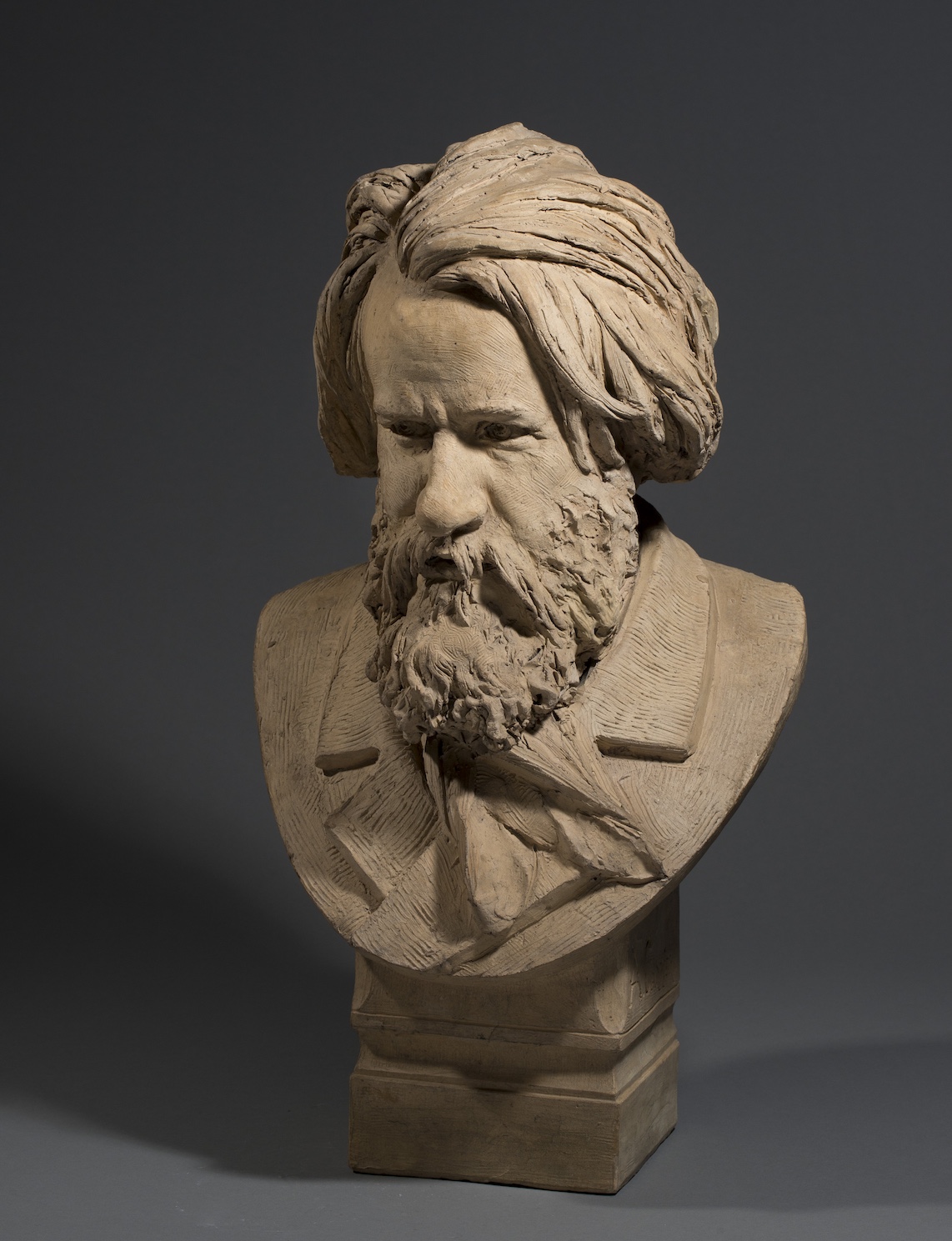
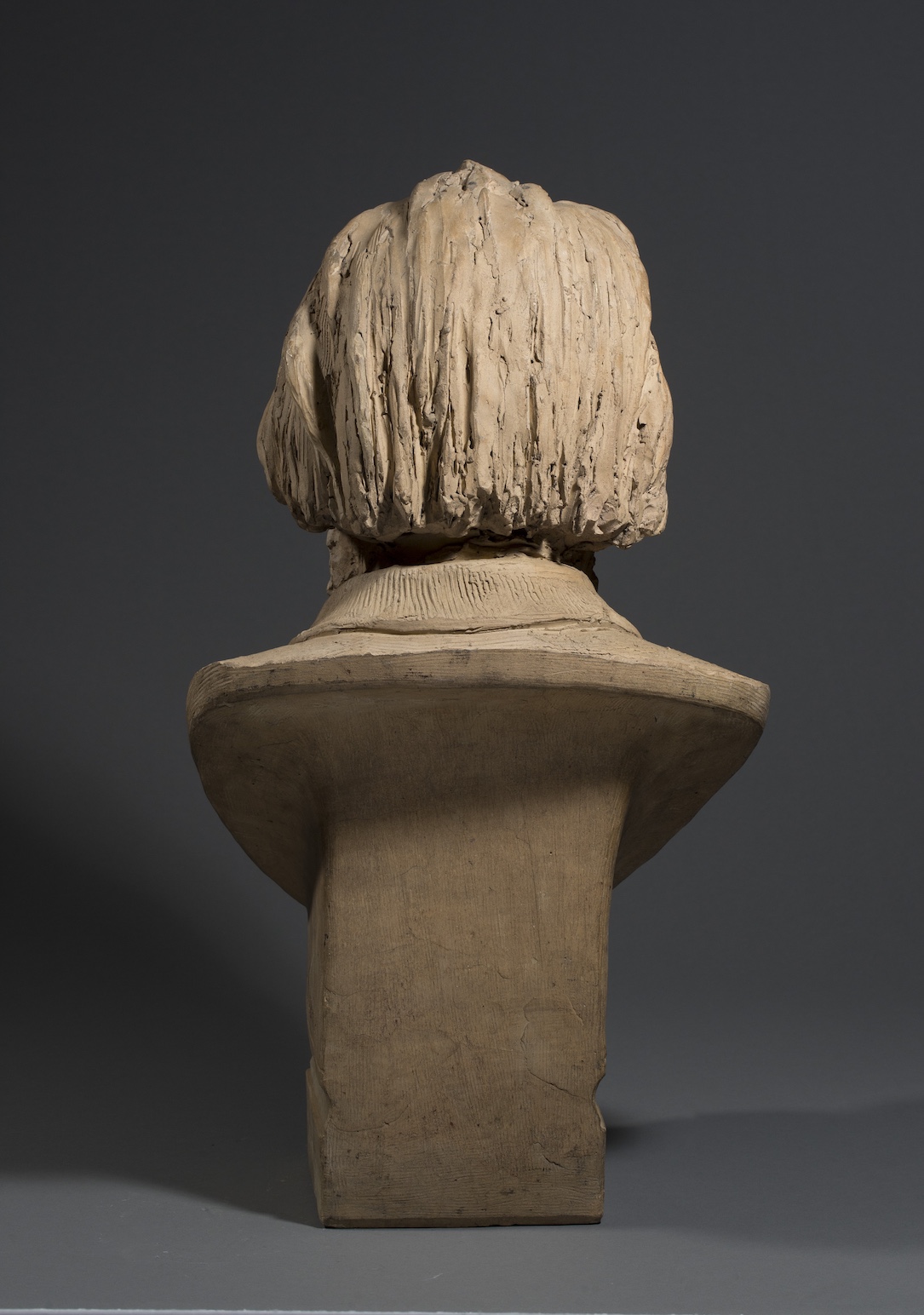
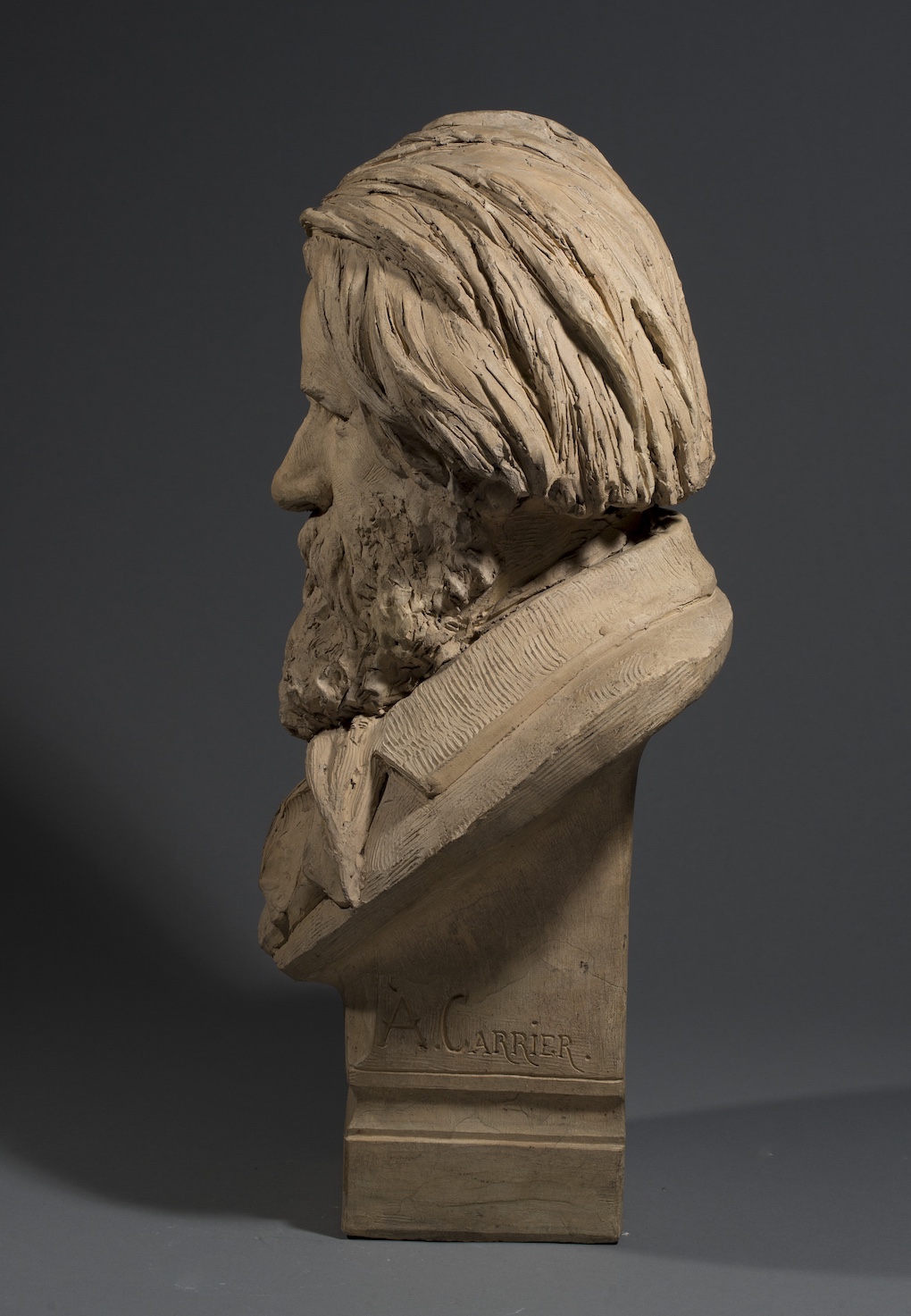
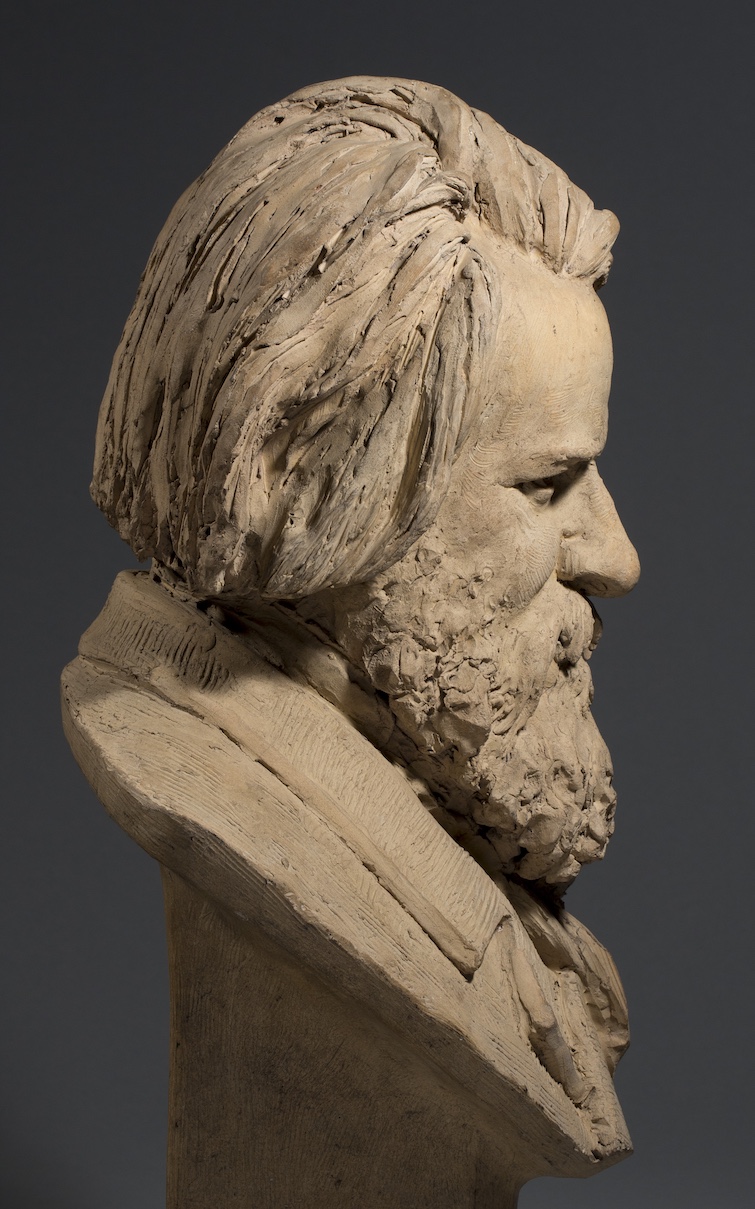
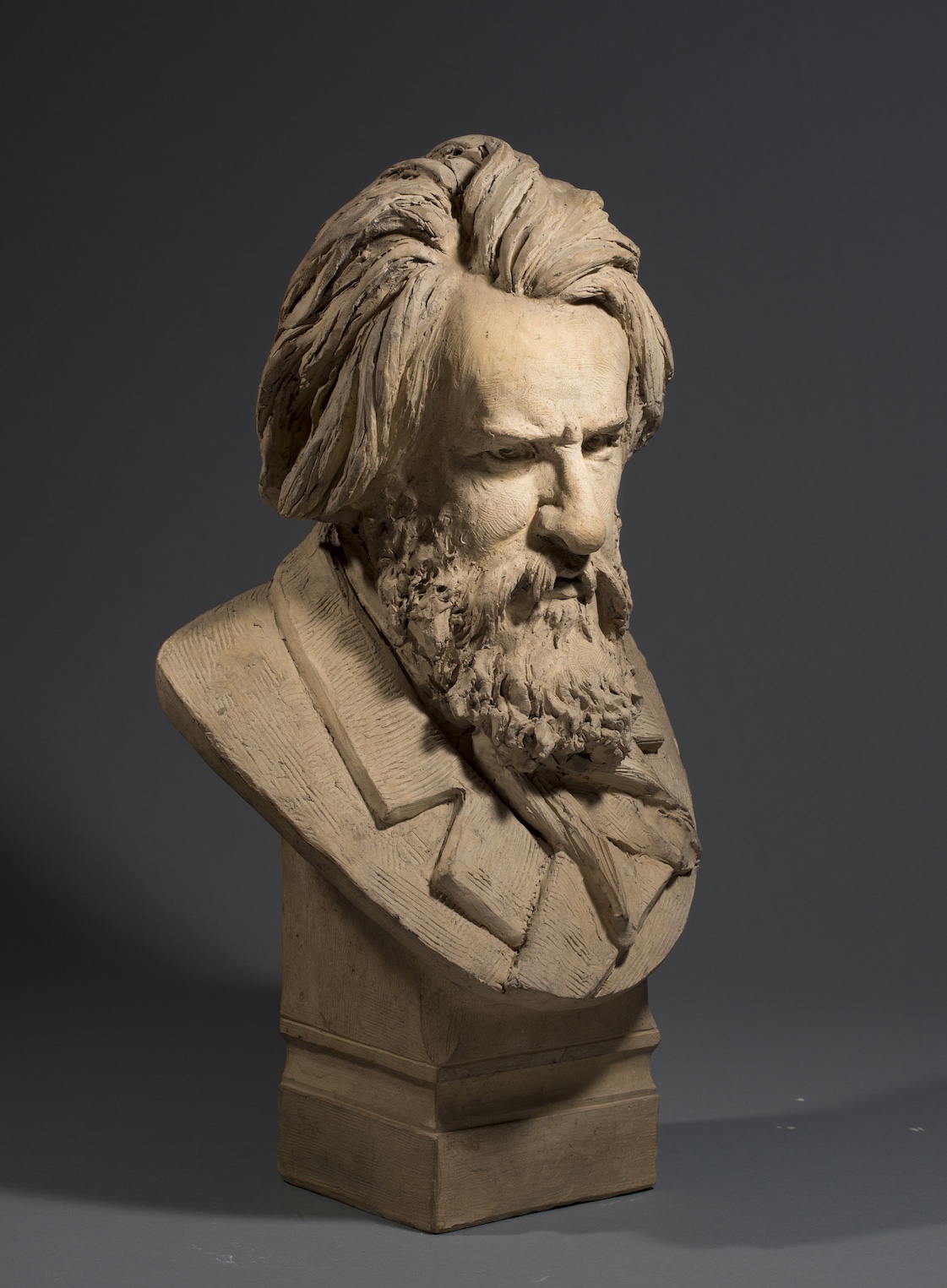
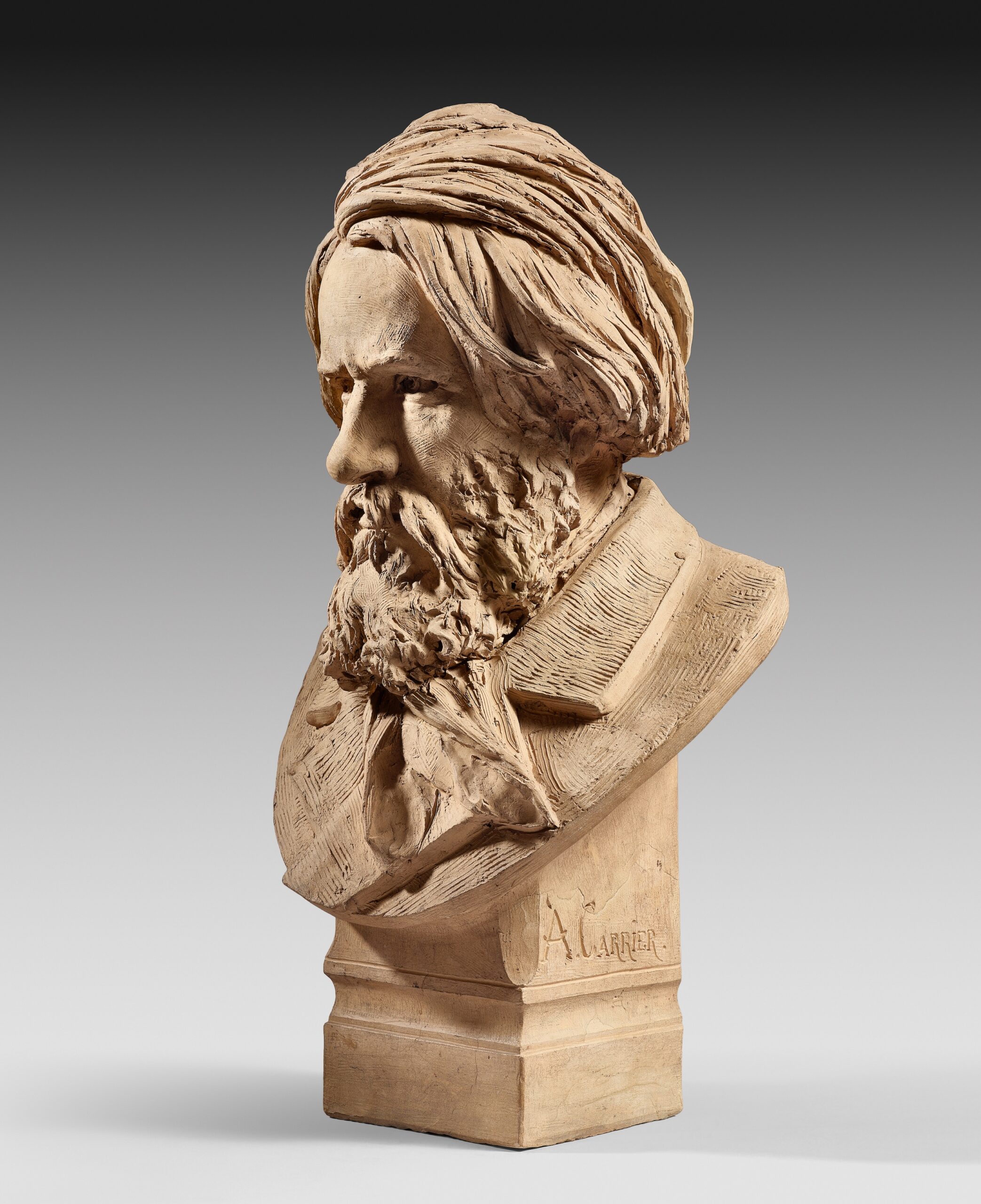
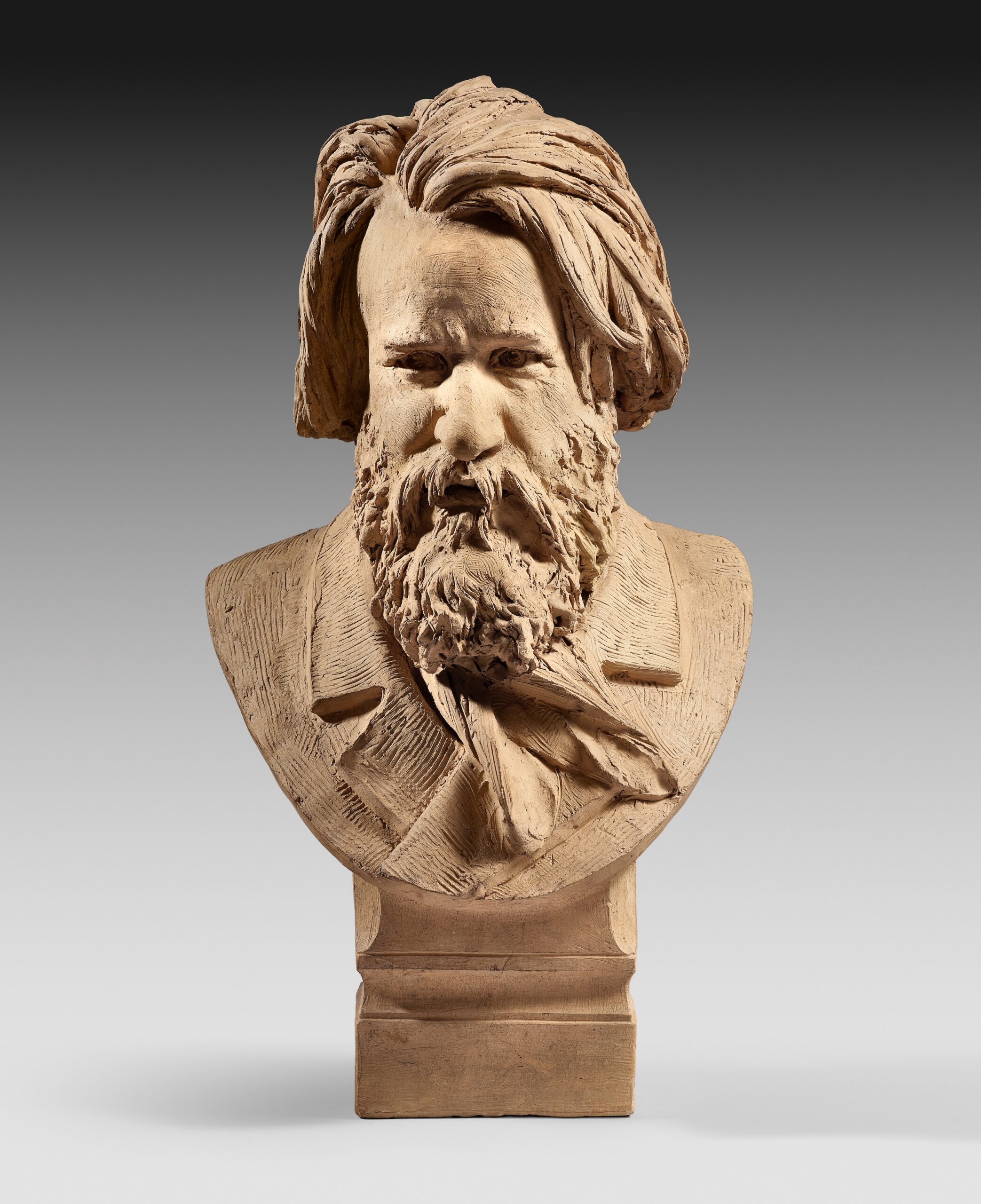
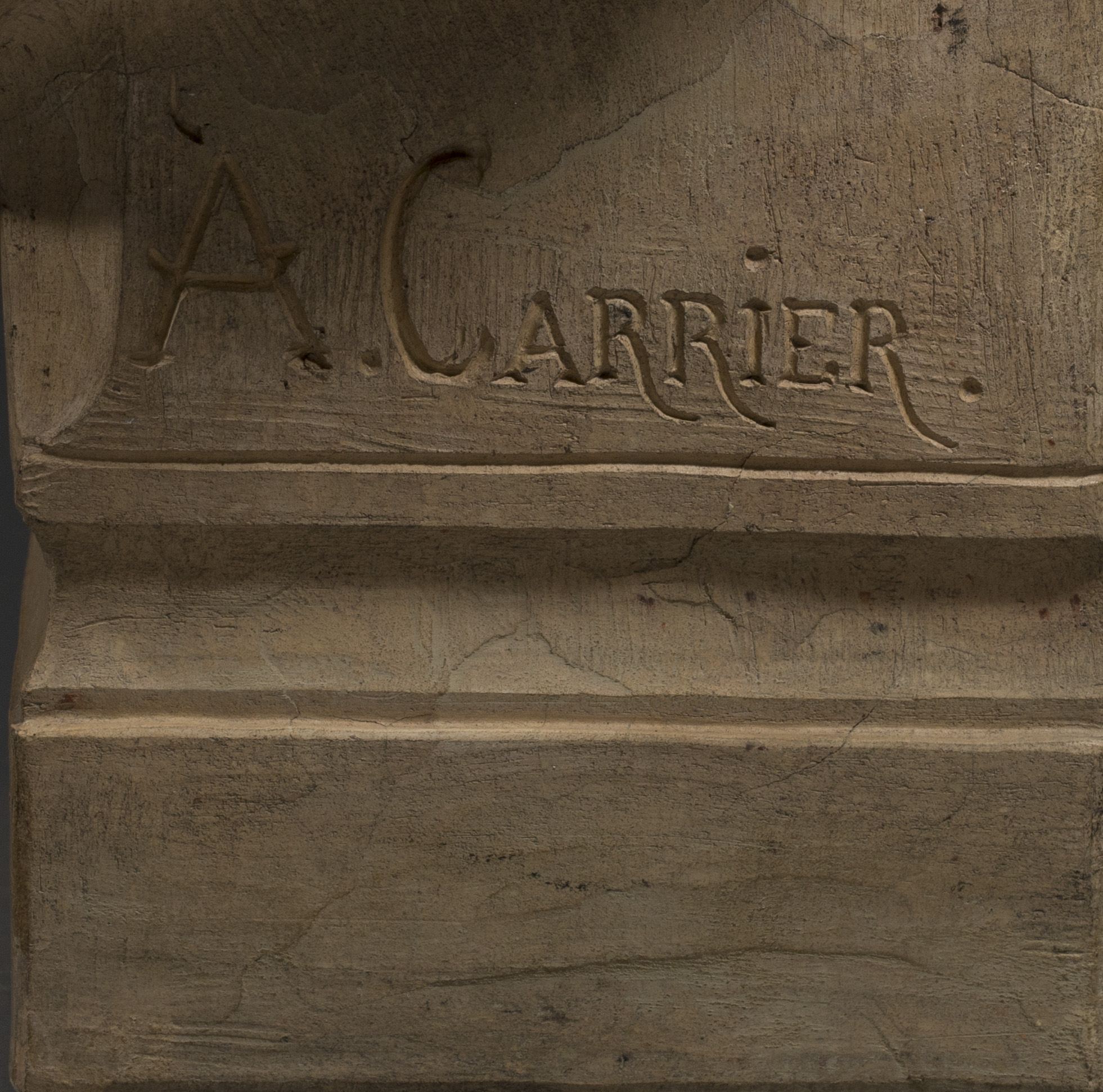
Albert-Ernest Carrier-Belleuse was one of the most celebrated and certainly the most ubiquitous sculptors of the Second Empire. After beginning his career in a goldsmith’s workshop, he progressed in training to become a sculptor until his consecration at the Salon. “He is almost a sculpting machine… Every day busts, ornaments, statues, statuettes, bronzes, candelabras, and caryatids emerge from his studio.” (Edouard Lockroy, “Le Monde des Arts,” L’Artiste, vol. 77, 1865, p. 40). He was a great portraitist and chose his busts to enhance his standing through the notoriety of his sitters. For example, he managed to attract the Emperor’s attention at Salon of 1861 with his Napoléon en Italie; At the same Salon, he exhibited busts of personalities drawn from the cultural and political elite: the historian Ernest Renan, the statesman Jules Simon, artists, three stage celebrities, and an important abbot. The sculptor chose to imbue his portraits with greater realism than fashionable idealized representations, capable of capturing the character and life of each physiognomy. This pursuit of likeness is always striking, as seen here in the portrait-bust of Auguste Luchet. The socialist writer is depicted with furrowed brows and deeply set eyes, captured in an expression of intense concentration that reveals the full psychological depth of the man.
Auguste Luchet (1805-1872) began his education with medical studies, then soon after turned to literature. In 1830, he became an editor at the newspaper Le Temps. He then began to write novels and plays, publishing Henri le Prétendant in 1832, Frère et sœur in 1838, and Nom de famille in 1842, in which he attacked not only the family, the monarchy, and religion, but many other institutions as well. Sentenced to two years in prison and a 1,000-franc fine, he took refuge in Jersey; he returned to France after his sentence was commuted in 1847. When the 1848 revolution broke out, he was an editor at La Réforme, then appointed government commissioner for the preservation of the Fontainebleau estate. He was seen quite often in Fontainebleau and the surrounding area from 1849 to 1851: on April 1, 1849, in Fontainebleau, at the preparatory meeting for the socialist banquet in Melun on April 22; on May 11, 1849, at the democratic meeting in Fontainebleau where he recalled his work in support of the workers… In 1850, he was the editor of Le Républicain de Seine-et-Marne. Under the Empire, he seemed to have abandoned politics, but continued to be involved in socialist movements. He then pursued his literary career and published works of social criticism. He died on March 9, 1872, and a monument was erected in his honor in the Père-Lachaise Cemetery, featuring a bust by Émile Guillain.The present particularly striking bust is an original and unique terracotta, not a mass-produced piece from Carrier-Belleuse’s workshop. It is a very rare personal work.