Description
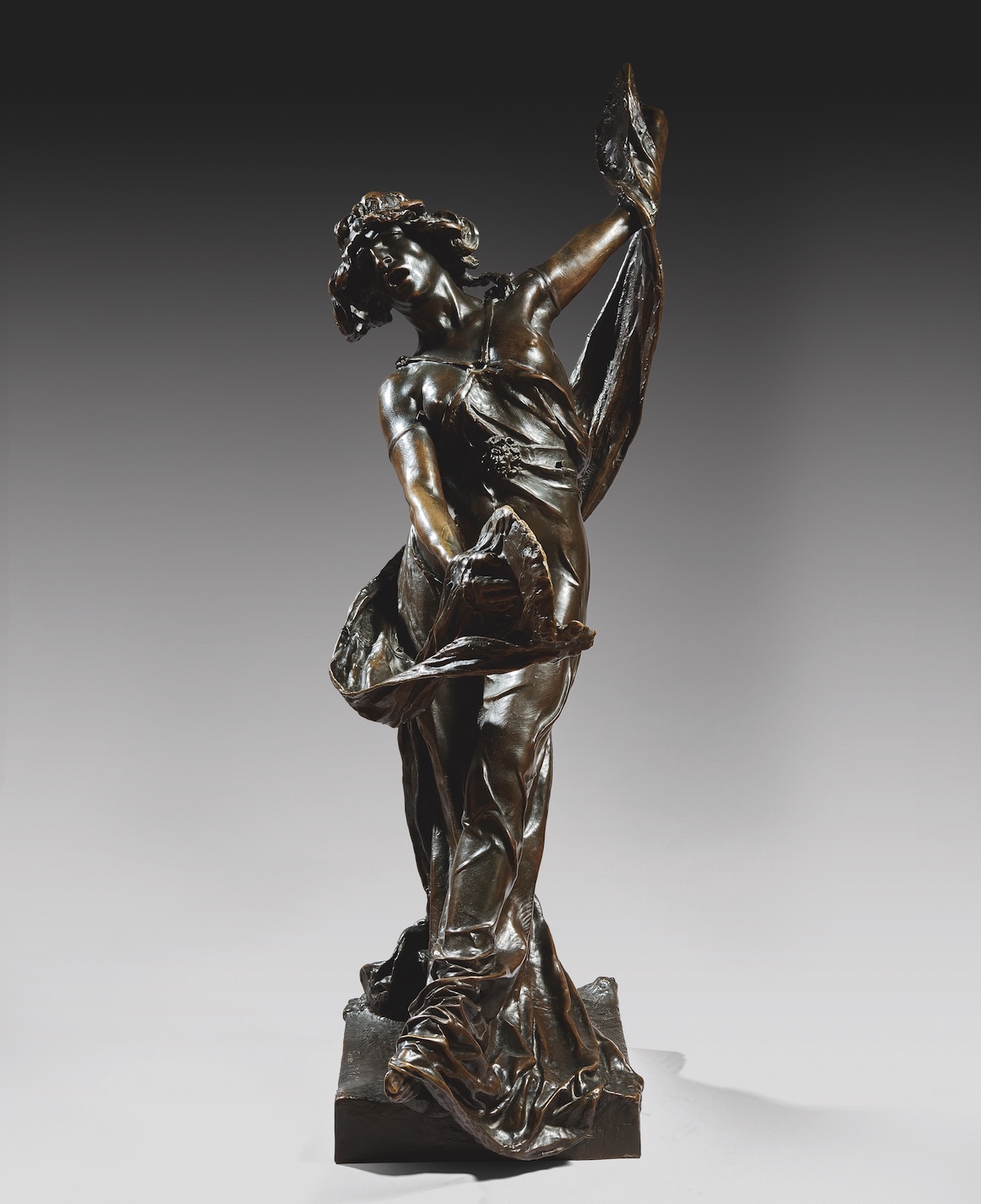
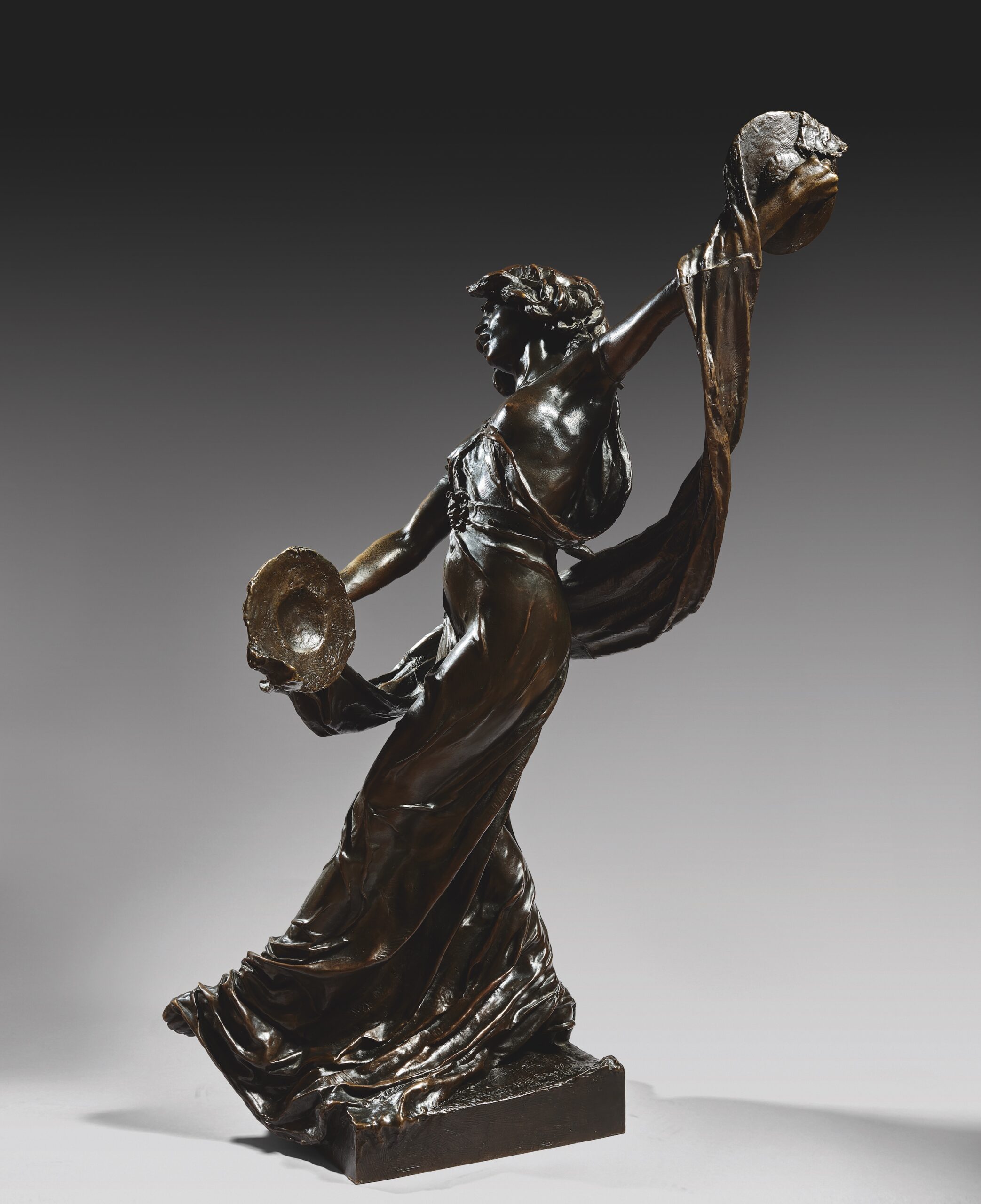
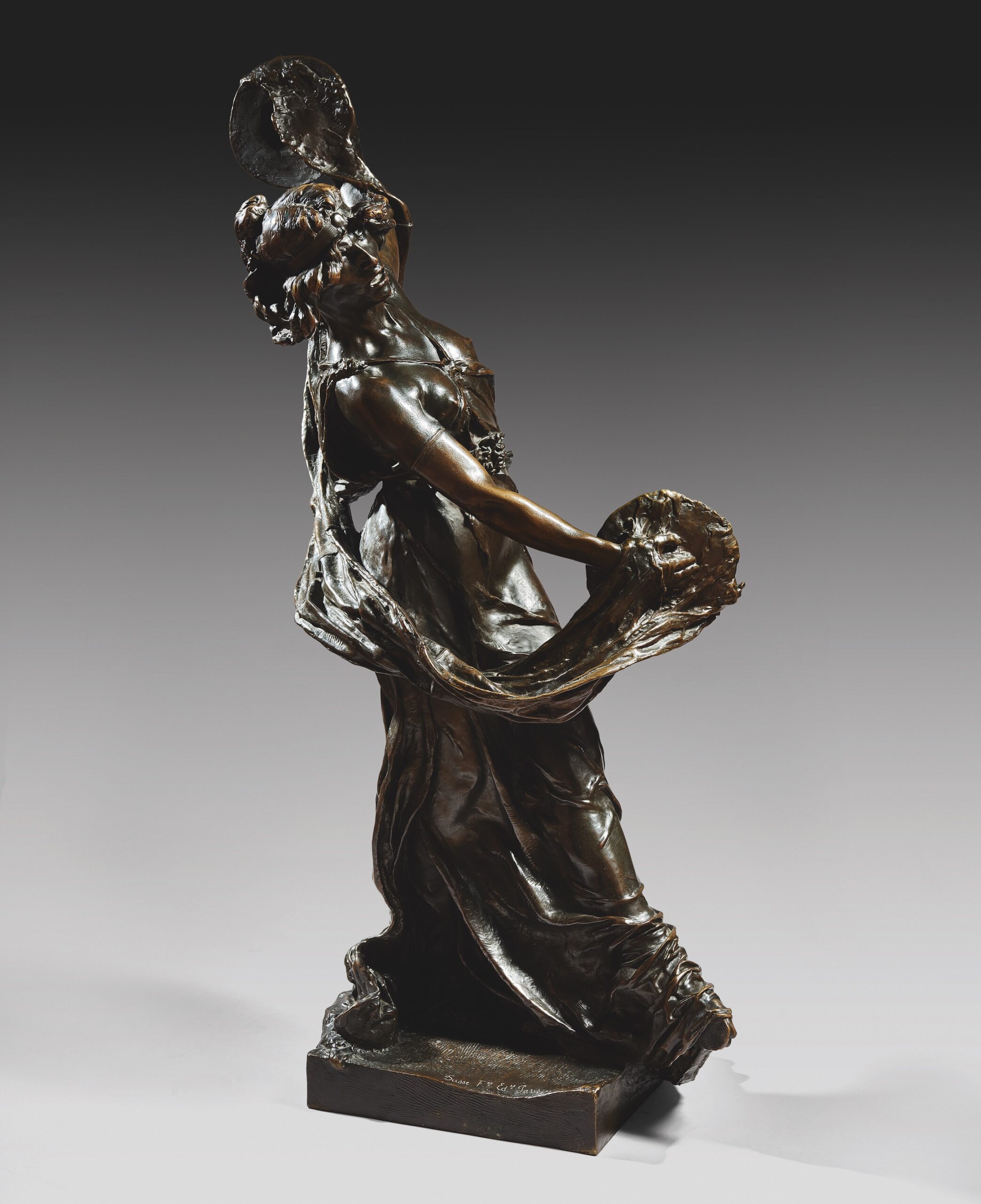
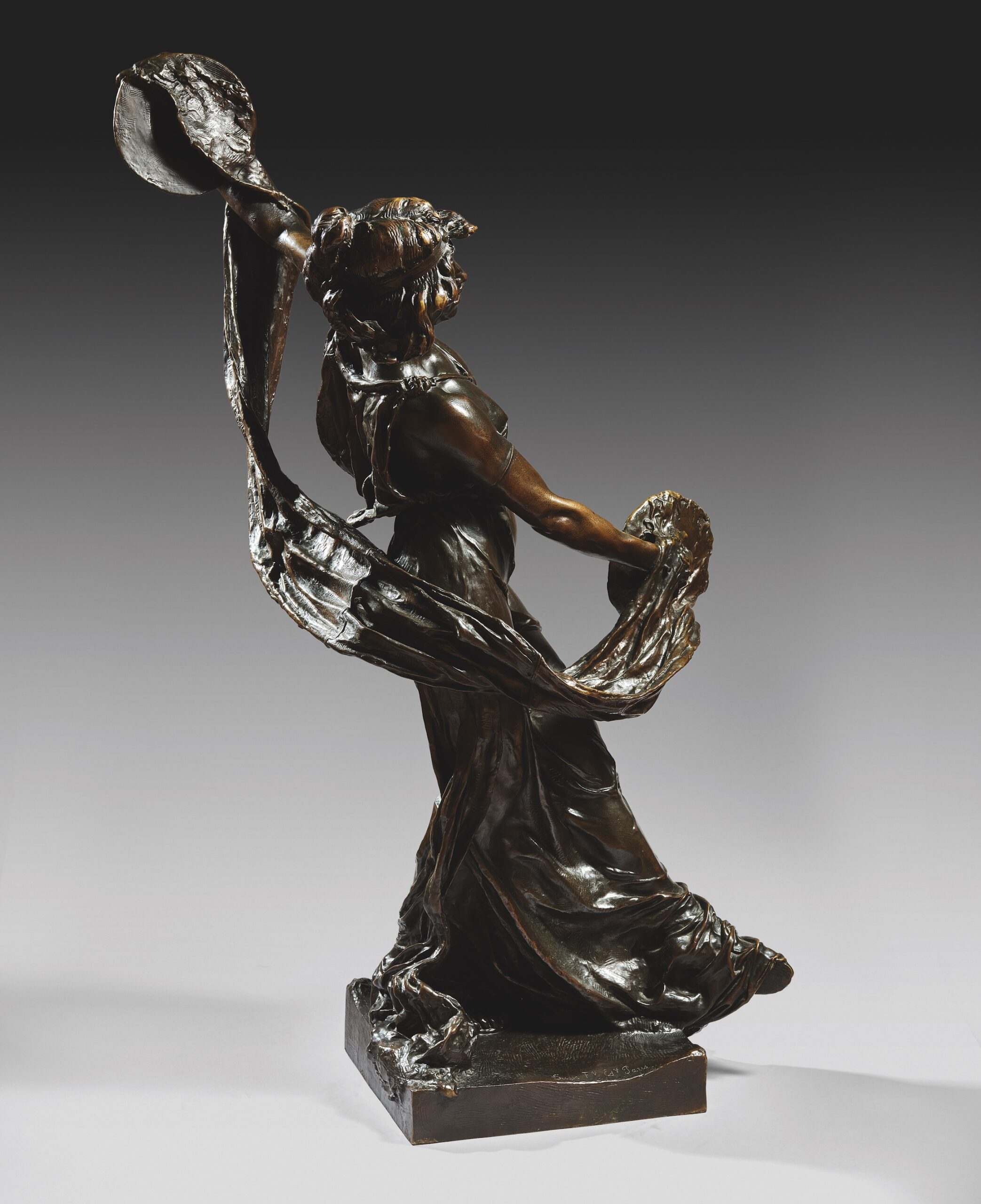
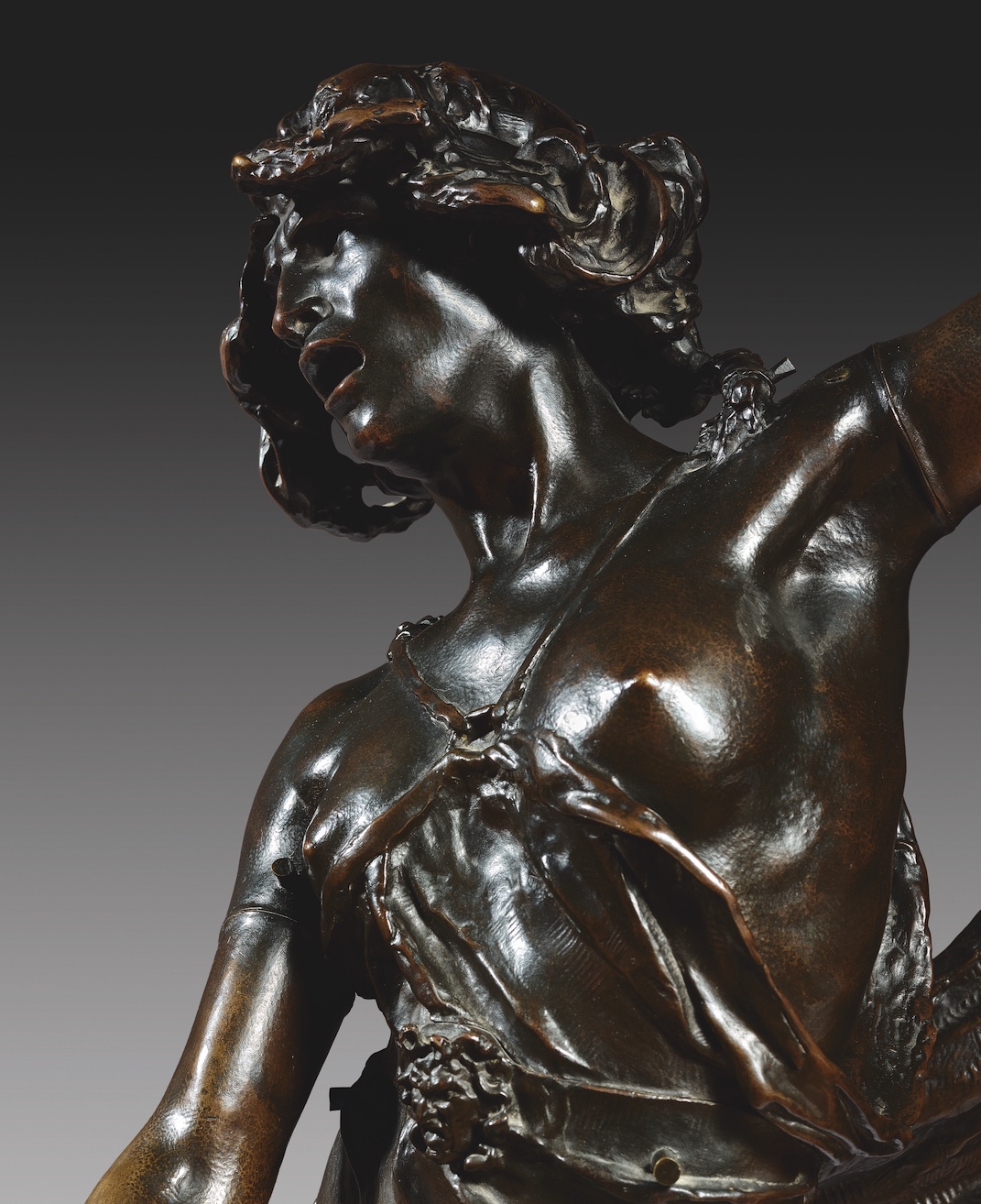
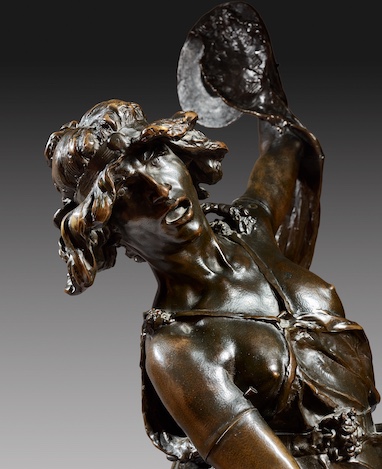
The theme of dance, departing from the conventional framework of classical ballet, had already been explored in a sensual and Bacchic manner by Jean-Baptiste Carpeaux for the façade of the Paris Opera. Ségoffin’s dancer recaptures this freedom of movement and possesses an unstable balance evoking intoxication. Though warlike, this Dance is not barbaric and has an antique flavor: it is inspired by the Dancer Titeux, a famous antique sculpture acquired by the Louvre in 1891; her trance evokes that of a bacchante, and her tunic is adorned with a Gorgon’s head. Ségoffin draws from this a highly Baroque interpretation of movement that stretches the bodies or contracts them to the point of rigidity, and undoubtedly owes much to theatrical gestures. The dance step suggested by a raised leg and the veil covering the cymbals inevitably recalls the contemporary choreographies of Loïe Fuller or Isadora Duncan.
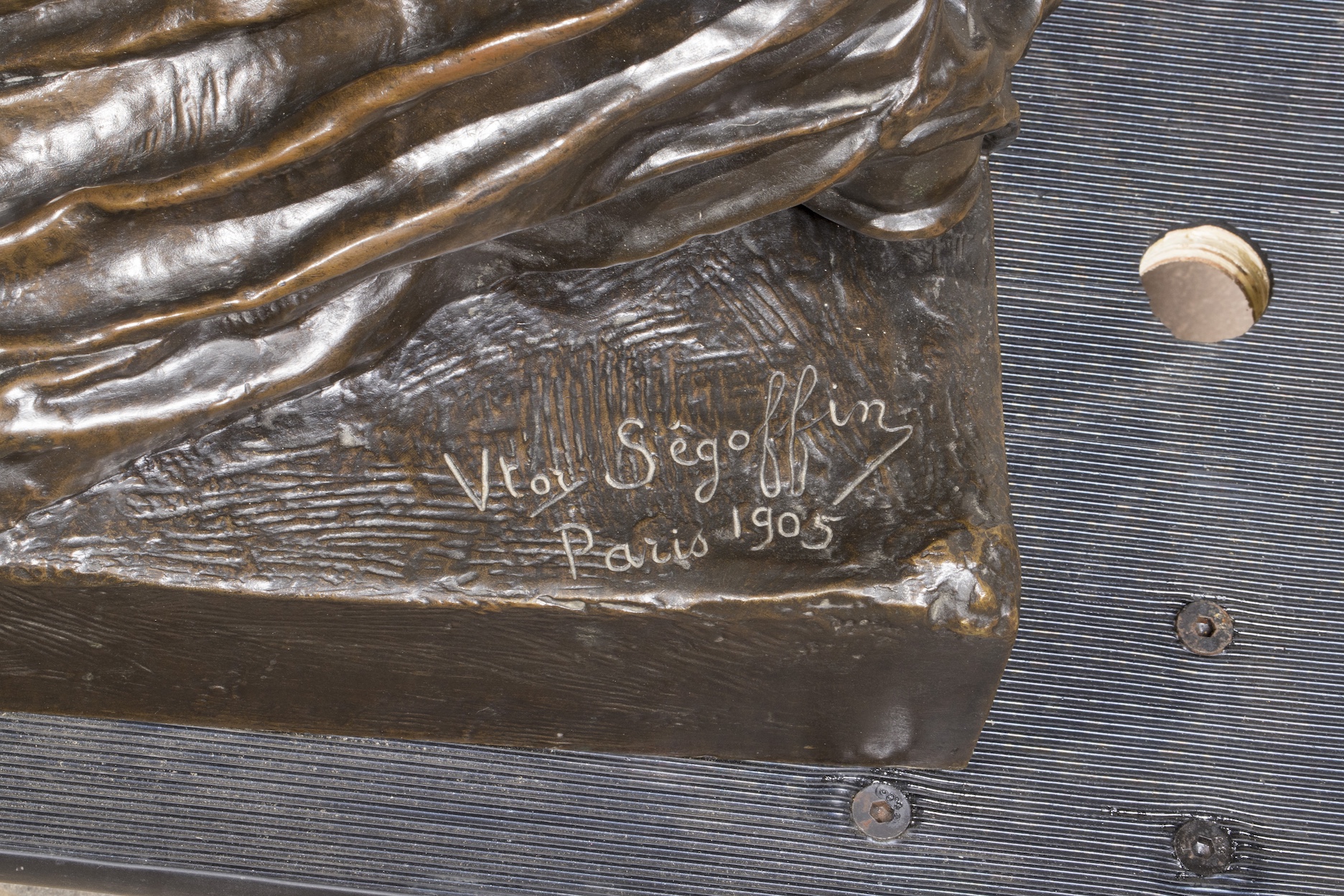
Sacred Dance, created in 1903 for the Élysée Palace, has as its pendant Profane Dance. This has been in the collection of the Musée d’Orsay since 1984; executed with virtuosity, the marble appears to have been sculpted with nervous energy and captures, like tempestuous waves, the movement of the fabric.
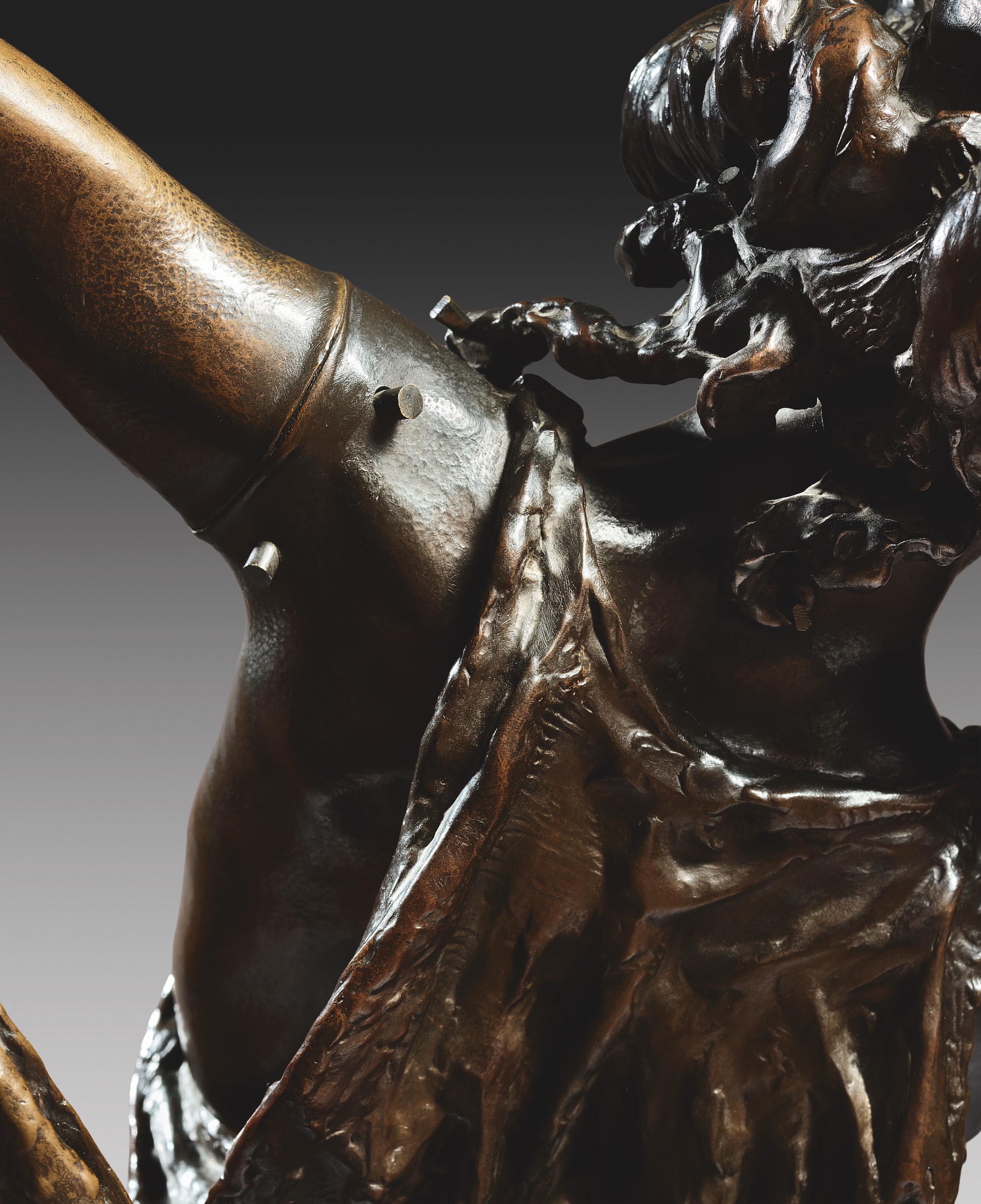
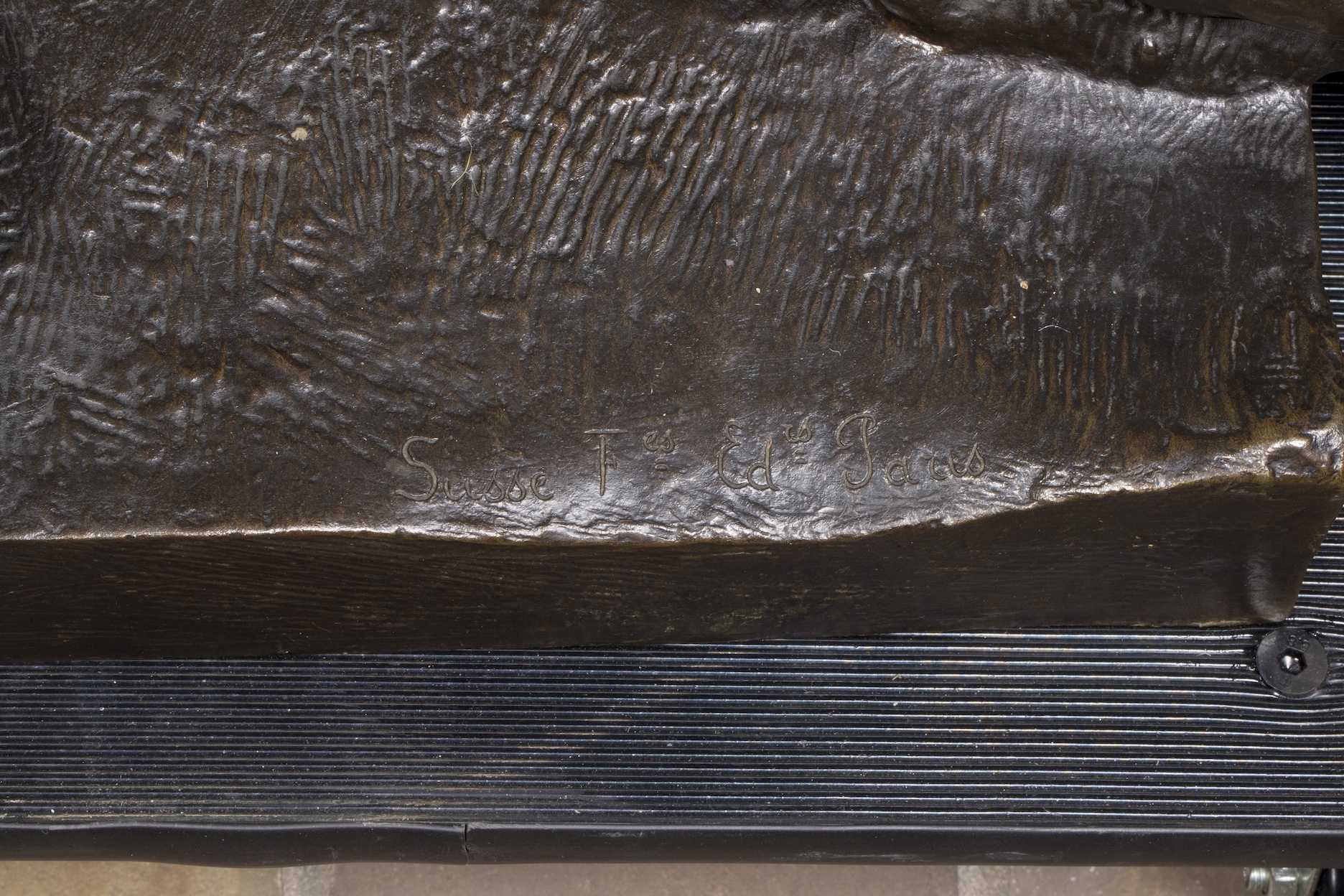
Our example is a bronze of exceptional quality; the reference for the bronze editions by the Susse foundry.